
Clean Air Allies Publishes New Resource Summary of the EPA’s Wildfire Smoke Guidance for Schools
Clean Air Allies Publishes New Resource Summary of the EPA’s Wildfire Smoke Guidance for Schools
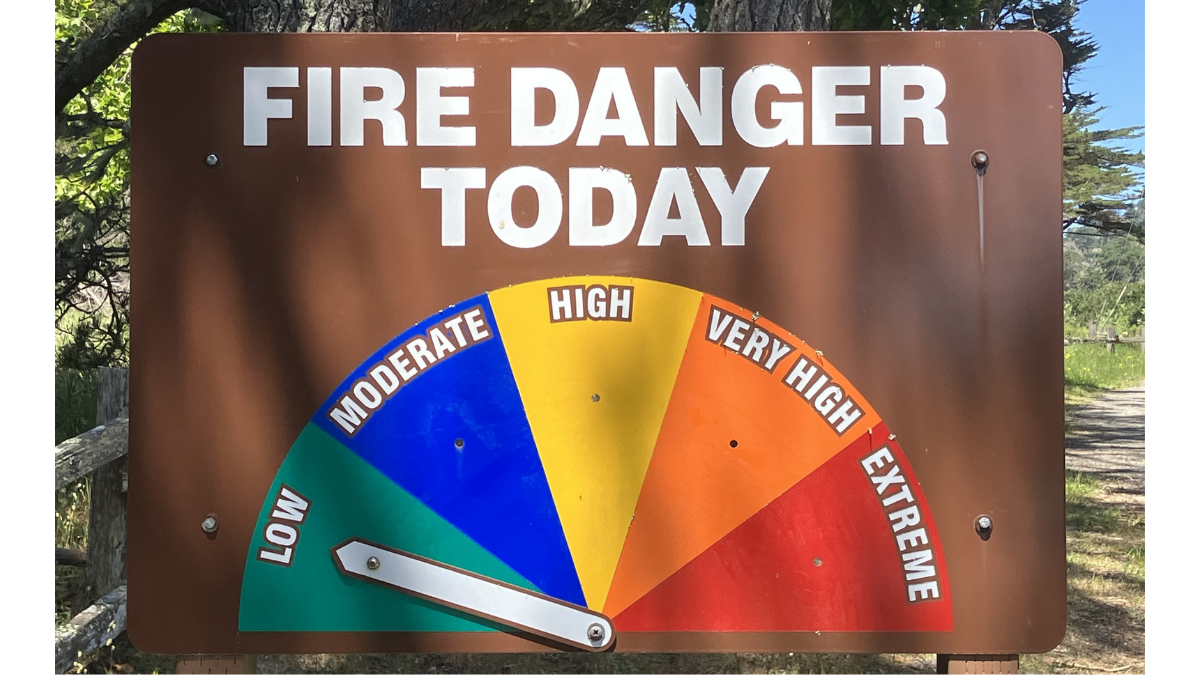
Today, wildfires are burning across the western portion of the United States, as researchers warn of a new normal characterized by bigger, hotter fires. Earlier this summer, smoke from Canadian wildfires exposed tens of millions of people on both sides of the border to unhealthy air.
Clean Air Allies is pleased to announce a new resource summary to help improve schools’ smoke readiness: The EPA’s Guidance for Improving Indoor Air Quality During Wildfire Smoke Events to Reduce Health Impacts from Smoke, Focusing on Recommendations Relevant to Schools.
Children as a population are at greater risk of negative health impacts from wildfire smoke. Because children, and the adults who teach and care for them, spend thousands of hours in school, ensuring that the indoor air they breathe there is safe from wildfire smoke is critical. But many schools lack smoke-readiness plans.
In May 2025, the U.S. Environmental Protection Agency (EPA) published a Best Practices Guide for Improving Indoor Air Quality in Commercial/Public Buildings During Wildland Fire Smoke Events. The guidance recommends best practices to protect building occupants, including those in schools, from indoor exposure to wildfire smoke pollution. These best practices can be applied in a variety of school building types, including those with central HVAC systems, standalone HVAC units, or no HVAC.
Clean Air Allies’ resource summary synthesizes nearly 80 pages of detailed EPA recommendations about smoke-readiness planning and actions into a concise 8-page overview focused on content relevant to schools. It is accompanied by a list of additional smoke-readiness resources, including ones specific to schools.
Taking steps to improve schools’ smoke readiness can help protect occupants from health risks associated not only with smoke but also with other air pollution, airborne viruses, water intrusion, and pests. Other potential benefits include increased efficiency and reduced energy costs.
This is Clean Air Allies’ second resource summary. The first, Resource Summary of the CDC’s Guidance for Preventing Infections in K-12 Schools, was published in December 2025.
Our resource summaries are intended to raise awareness about why and how school indoor air quality (IAQ) should be improved by introducing school communities to authoritative resources in an accessible way.
Explore the Resource Summary of the EPA’s Wildfire Smoke Guidance for Schools